Freya Roth · 21 October 2026
Central European Growers Implement New Strategies for Aromatic Crop Resilience in Variable Climates
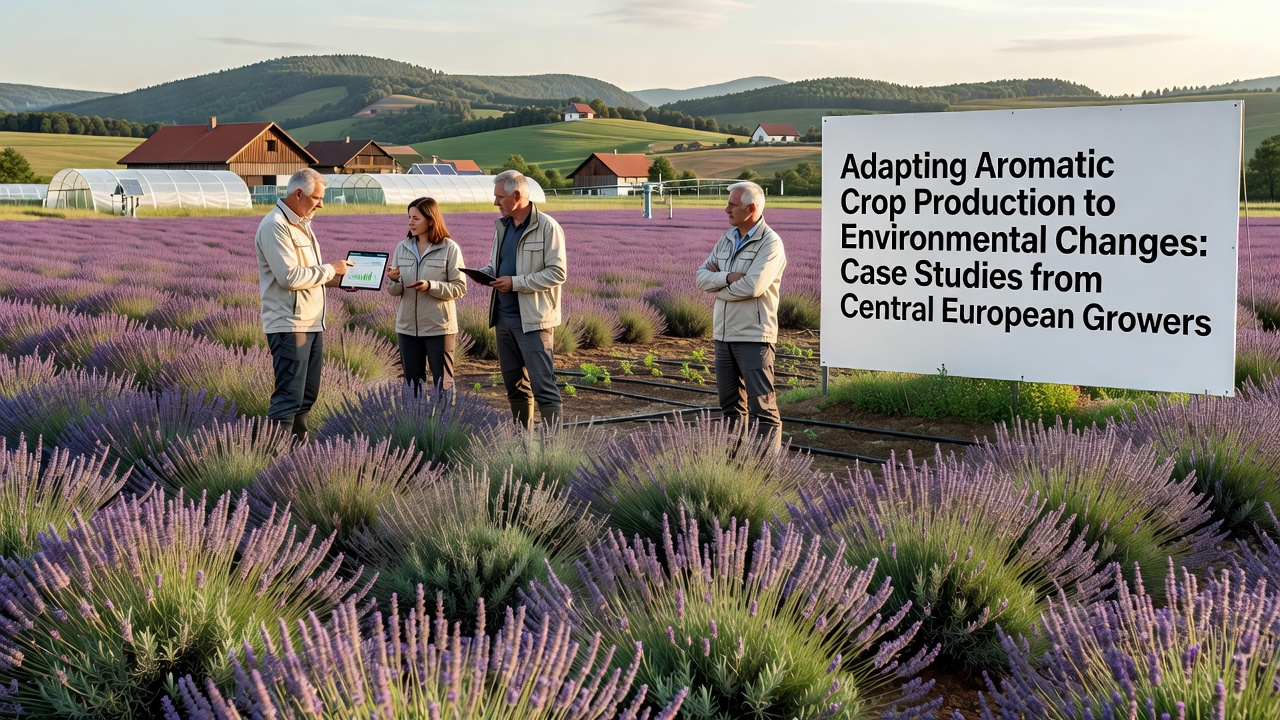
Central European growers have faced increasing pressure from shifting rainfall patterns and temperature fluctuations over the past decade, which has prompted systematic adjustments in how aromatic crops such as lavender, thyme, and oregano reach maturity. Data from regional agricultural monitoring networks show that average spring temperatures have risen by 1.2 degrees Celsius since 2015, while summer precipitation has become more erratic across the Czech Republic, Hungary, Slovakia, and Poland. These conditions affect oil content and plant vigor, leading producers to test new cultivars and revise planting schedules.
Observed Environmental Pressures on Production
Longer dry spells during critical growth phases have reduced yields in several traditional growing districts, according to records compiled by national extension services. In Hungary's southern plains, for instance, thyme plots experienced a 15 percent drop in essential oil concentration during the 2024 season when rainfall fell 30 percent below the thirty-year average. Growers responded by installing drip systems tied to soil moisture sensors, a change that restored output levels in subsequent cycles. Similar patterns appear in the Czech lowlands, where oregano fields now require earlier harvesting to avoid heat stress that degrades volatile compounds.
Case Studies from Regional Producers
One cooperative in western Slovakia shifted its lavender acreage to north-facing slopes after soil temperature logs revealed that southern exposures reached 28 degrees Celsius at root depth during July heat waves. The adjustment preserved flower quality while cutting irrigation needs by nearly a quarter. In parallel, a network of smallholders in Poland's Mazovia region introduced intercropping with drought-tolerant legumes, which improved water retention and reduced weed pressure without additional chemical inputs. Field trials conducted through 2025 confirmed that these mixed stands maintained stable biomass across variable spring conditions.
Researchers at the Slovak University of Agriculture documented how timing of first cuts influences regrowth under warmer autumns. Their multi-year dataset indicates that delaying harvest by five to seven days in October allows plants to rebuild reserves before winter, a practice now adopted on more than 200 hectares in the Nitra district. Meanwhile, Hungarian producers have begun trialing shade cloth during peak afternoon hours, an approach borrowed from greenhouse vegetable systems and adapted for open-field herb production.
Technological and Agronomic Adjustments
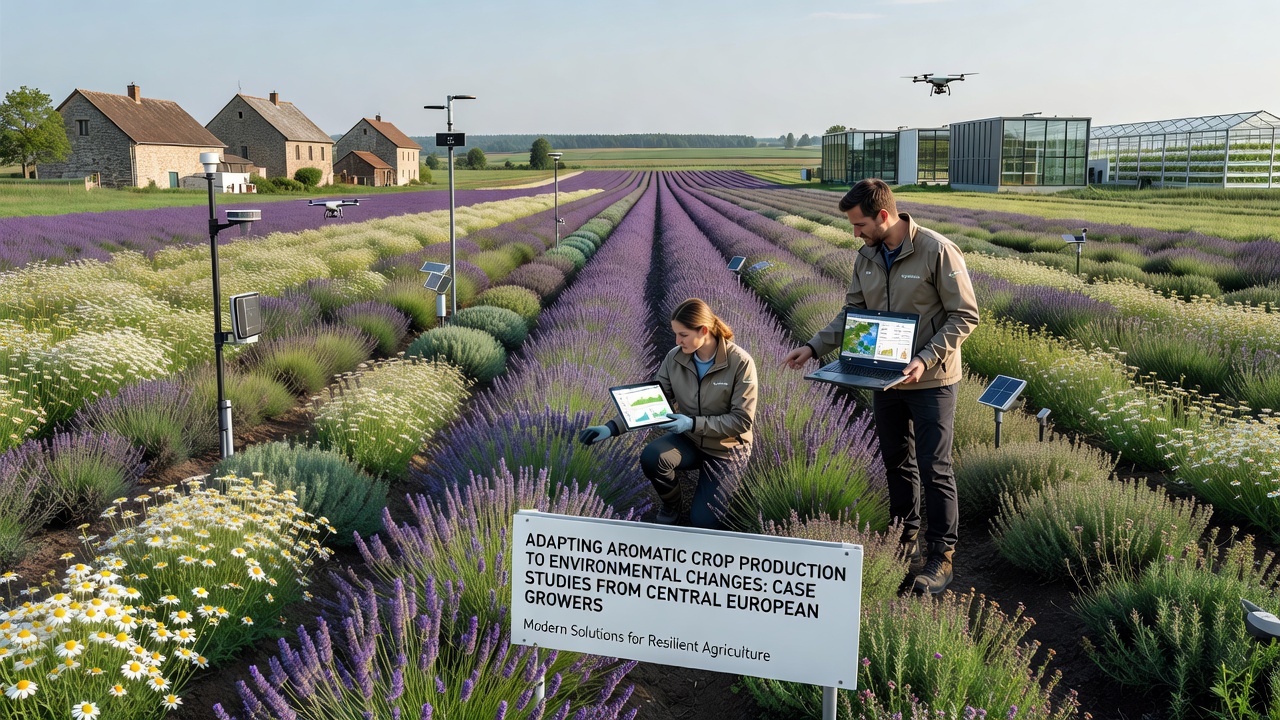
Precision tools have moved from experimental status to routine use on many commercial holdings. Soil probes linked to weather forecasts enable irrigation decisions that conserve groundwater while protecting oil profiles, and satellite imagery helps identify stress zones before visible wilting occurs. A 2026 report from the European Environment Agency notes that farms employing these methods recorded 12 percent higher consistency in annual output compared with conventional operations. Breeding programs at several Central European institutes continue to release lines selected for deeper root systems and delayed flowering, traits that align better with current precipitation windows.
Policy support has also shaped adoption rates. Subsidies under the EU Common Agricultural Policy's eco-scheme component have offset part of the cost for sensor equipment and cover-crop seed, encouraging wider uptake since the 2023 reform cycle. In October 2026, the European Commission is scheduled to release updated guidelines on climate adaptation for specialty crops, which growers expect will clarify eligibility for further infrastructure grants. These measures build on earlier national programs that already demonstrated measurable gains in water-use efficiency across aromatic crop sectors.
Supply Chain and Market Implications
Stable supply has become a priority for distilleries and cosmetic manufacturers that rely on consistent oil quality. Contracts now include clauses specifying acceptable ranges for key compounds such as linalool and thymol, which vary with environmental stress. Exporters in the region have therefore invested in on-farm distillation units that allow immediate processing and reduce post-harvest losses during warm transport periods. Figures released by the International Trade Centre show Central European aromatic herb exports holding steady through 2025 despite global weather volatility, largely because producers diversified both varieties and geographic spread within each country.
Conclusion
Central European aromatic crop systems continue to evolve through incremental changes in cultivars, timing, and technology. Records from extension services and research stations indicate that these layered adjustments have helped maintain output while addressing the specific pressures of altered rainfall and temperature regimes. Ongoing monitoring through 2026 and beyond will determine which combinations deliver the most reliable results across different sub-regions and soil types.